I’m a creative developer with a passion for building engaging and intuitive web experiences. I enjoy combining design and code to bring ideas to life, and I’m always exploring new technologies to grow and improve as a developer.
Across these roles, I've learned that good software comes from understanding the problem clearly, not just writing code quickly. I care about clean, maintainable solutions, and I stay patient through the debugging process until something genuinely works the way it should. I'm always looking for the next challenge that pushes me to learn.
That mindset carries into my personal projects too. Building ClaudeCooks pushed me beyond frontend work into full-stack development integrating an AI API, designing prompts, and working through the realities of deploying a serverless backend in production. It reminded me that the most valuable learning often happens outside a structured job, when you're free to experiment, break things, and figure out why they broke.
Outside of work, I build personal projects, explore creative tech ideas, and enjoy videography. I'm currently seeking a junior software engineering role where I can grow, contribute, and continue improving as a developer. Connect with me on LinkedIn.
My experience as a Junior Developer at Gwo Sevo allowed me to work on real-world USSD applications, focusing on building structured user flows that were simple, accessible, and reliable across mobile devices. I developed a strong understanding of how users interact with systems and how to design flows that guide them smoothly from input to completion.
I worked across both frontend and backend logic, handling user input validation, debugging application issues, and ensuring data was accurately captured and processed. This strengthened my practical skills in Laravel, MySQL, and API testing with Postman, while reinforcing the importance of writing clean, maintainable code.
Working in an Agile-style environment also improved my collaboration and communication skills, as I regularly worked with developers and stakeholders to solve problems, iterate on features, and deliver reliable solutions.
At Gwo Sevo, I worked as a Junior Developer, building USSD applications with the Rejoice framework and contributing to both frontend user flows and backend logic. My work involved debugging, API testing with Postman, and designing reliable data handling processes to improve system performance and user experience.
At Amazon, I worked in a fast-paced operational environment where collaboration, problem-solving, and efficiency were essential. I proactively resolved workflow issues and consistently contributed to achieving team productivity targets.
Currently at Turner Bianca, I support daily operations by coordinating with team members and using Oracle software to manage and track customer orders. This role has strengthened my attention to detail, communication, and ability to work effectively in structured, high-volume environments.
As a designer, I take a very pragmatic and data-informed approach to problem solving. I like to understand key business goals, metrics that the team cares about and ultimately thinking how they shape the roadmap and the reasons/purposes behind my initiatives. I know how to be scrappy and flexible but I also know when to button up and really think through the design solutions. My strengths lies on working across multiple projects, executing on high quality designs quickly and working collaboratively with cross-functional partners. I love growing the product, impacting the business and have passion for craft.
What began as a simple idea, turning whatever's in your fridge into a real recipe became a deeper dive into full-stack development and working with AI directly inside a product. ClaudeCooks lets users list their ingredients and get back a complete, formatted recipe generated in real time.
Throughout development, the focus remained on creating a seamless experience that balances functionality with simplicity, ensuring users can navigate and interact without friction.
As the project evolved, it became more than just building features—it was about solving real problems, structuring data effectively, and understanding user behavior at every stage. Each decision shaped how the system responds, adapts, and performs behind the scenes. But this is only part of the story…
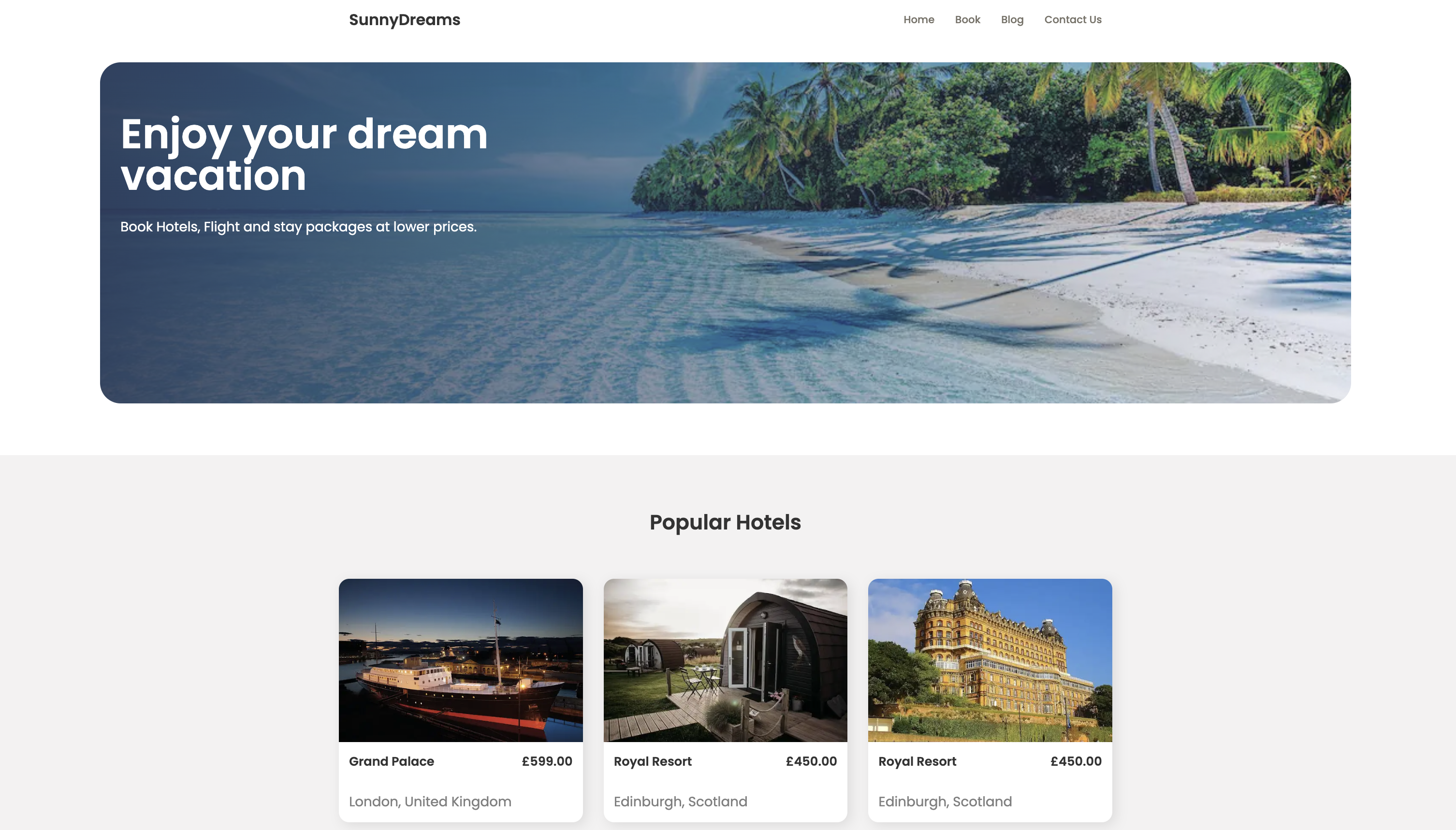
It began as a small front-end experiment—designing a clean travel landing page—but quickly grew into something more intentional. SunnyDreams became an opportunity to explore how structure, layout, and dynamic content can work together to create a smooth and engaging browsing experience.
Rather than simply placing elements on a page, the focus shifted toward how each section communicates with the user. The navigation, featured hotel listings, and client feedback sections were designed to guide attention naturally while maintaining a clean and visually balanced interface.
As development progressed, the project became an exercise in thinking beyond static design. JavaScript was introduced to render content dynamically, while components were organized in a scalable way to support future growth. Every decision focused not only on appearance, but also on behavior and adaptability.

What started as a mobile-based promotional concept for Nestlé IDEAL’s “Trip to Dubai” campaign quickly developed into a deeper exploration of how USSD technology can deliver large-scale, interactive brand experiences.
Rather than relying on traditional digital platforms, the focus shifted toward accessibility and simplicity. The interaction flow was designed so users could easily enter unique product codes, receive instant feedback, and remain engaged throughout the campaign—all from basic mobile devices.
As the system evolved, it became more than just a promotional tool. Structuring user sessions, response handling, and reward flows required careful planning to ensure the experience stayed responsive, reliable, and scalable. Beneath the surface, it’s a system designed to support high engagement while maintaining a smooth user experience.
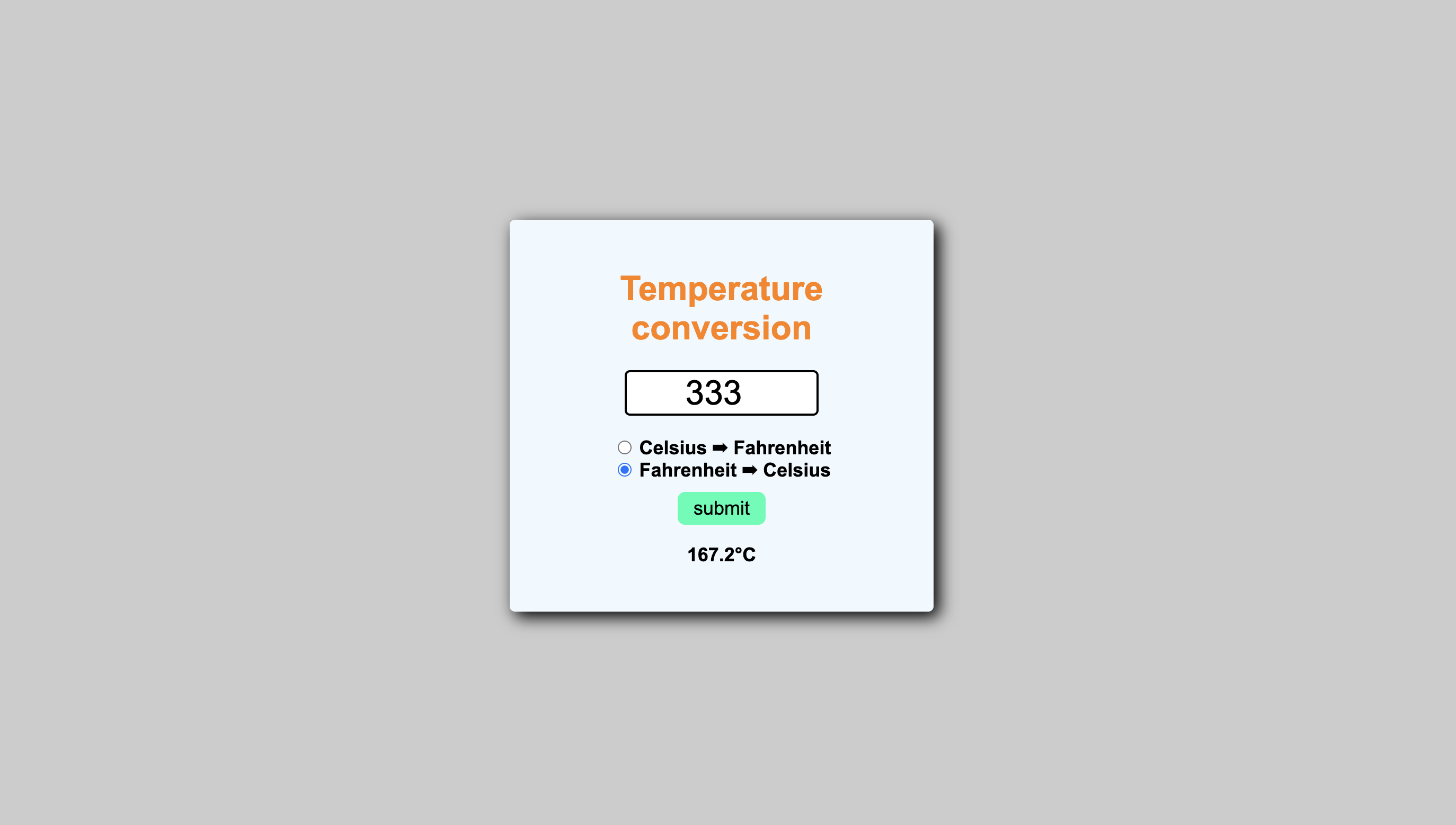
This temperature conversion application was designed to provide users with a fast and straightforward way to switch between Celsius and Fahrenheit through a clean, minimal interface.
The focus extended beyond basic functionality to how users interact with simple tools. Attention was given to creating clear inputs, responsive feedback, and an experience that feels intuitive and effortless.
During development, JavaScript played a key role in handling real-time calculations, validating user input, and dynamically updating the interface based on user selections. Over time, the project became more than just a conversion tool—it evolved into an exercise in improving UI clarity, structuring workflows, and strengthening the relationship between HTML, CSS, and JavaScript in building effective web applications.